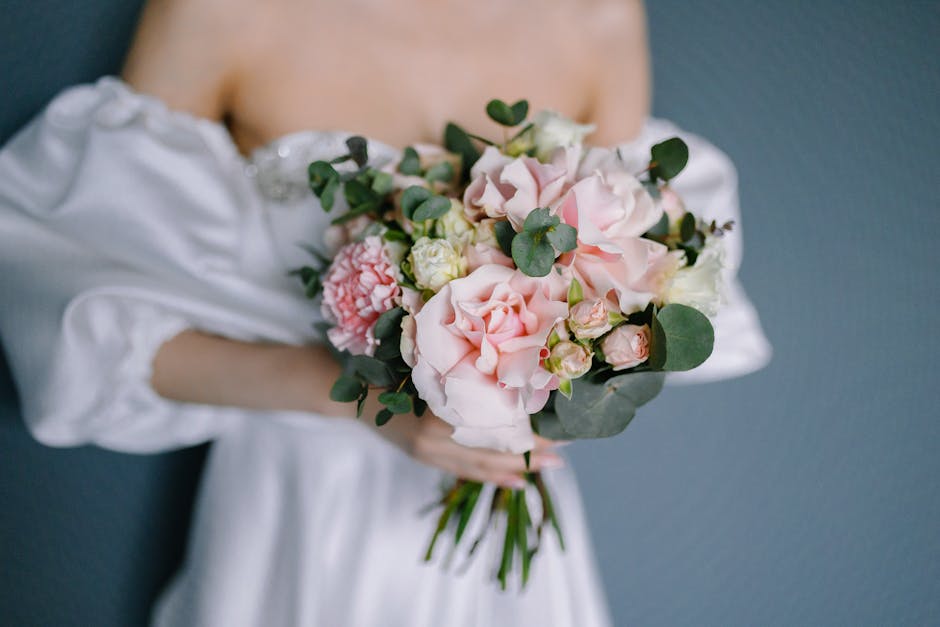
Common problems with Eltham wedding flowers and fixes
Posted on 16/10/2026
Common Problems with Eltham Wedding Flowers and Fixes
Wedding flowers can look effortless on the day, but behind the scenes they are a juggling act. If you are planning a celebration in Eltham, you will probably run into a few of the usual snags: blooms arriving too early, colours not matching the dress, arrangements drooping in warm weather, or buttonholes that seem fine until they are pinned on and suddenly... less fine. This guide on Common problems with Eltham wedding flowers and fixes is here to help you spot the issues before they spoil the mood, and to show you how to fix them in a calm, practical way.
Whether you are choosing a bridal bouquet, table arrangements, buttonholes, or a full venue floral scheme, the details matter. And let's face it, on a wedding morning nobody wants to be faffing about with stems that have wilted overnight. Below you will find the most common flower problems couples face in Eltham, why they happen, and what to do instead.
Table of Contents
- Why these flower problems matter
- How wedding flowers usually go wrong
- Key benefits of fixing issues early
- Who this guide is for
- Step-by-step guidance
- Expert tips for better results
- Common mistakes to avoid
- Tools, resources and recommendations
- Law, compliance, standards, and best practice
- Options and comparison table
- Case study or real-world example
- Practical checklist
- Conclusion
- Frequently asked questions
Why Common problems with Eltham wedding flowers and fixes Matters
Wedding flowers do more than decorate a venue. They set the tone when guests walk in, frame the ceremony photos, and tie together the whole look. In a place like Eltham, where weddings might take place in a local hall, a church, a restaurant, a marquee, or a private home, flowers often need to travel between spaces and stay looking fresh for hours. That is where the problems begin.
If the flowers are late, soft, badly matched, or overcomplicated, the whole day can feel more stressful than it should. A bouquet that looks beautiful at 9am but tired by the vows is a real problem. So is a table arrangement that blocks conversation, or buttonholes that flop before the speeches. These are not dramatic disasters, but they are the kinds of details guests notice. You do too, probably more than you want to admit.
Fixing these issues early matters because wedding flowers are part design and part logistics. The best results come from planning for timing, temperature, transport, venue layout, and the specific stems being used. That practical side is easy to overlook when you are choosing colour palettes and Pinterest-style inspiration boards.
Expert summary: most flower problems at weddings are not really floral problems at all. They are planning, handling, or timing problems wearing a floral disguise.
How Common problems with Eltham wedding flowers and fixes Works
To understand the fixes, it helps to understand the process. Wedding flowers usually move through a few stages: consultation, design selection, sourcing, conditioning, arranging, delivery, and on-the-day set-up. A weak point at any stage can create an issue later.
1. Design and selection
This is where the couple chooses style, size, colours, and flower types. A common issue here is selecting flowers that look amazing online but are difficult to keep fresh in the actual wedding conditions. For example, some blooms are naturally more delicate, and some colour shades do not photograph the way you expect under indoor lighting.
2. Ordering and sourcing
Eltham weddings often need a sensible mix of seasonal flowers and reliable varieties. If a stem is out of season or in short supply, substitutions may be needed. That can be fine, but only if you agree in advance what changes are acceptable. Otherwise, the bouquet may arrive looking "close enough" rather than exactly right.
3. Conditioning and preparation
Florists condition flowers so they hydrate properly and open at the right pace. If this is rushed, blooms may droop early. If it is delayed, some flowers may open too much by the wedding morning. It is a balancing act. A slightly annoying one sometimes.
4. Transport and set-up
Wedding flowers are often moved in vans, through entrances, up stairs, into hot rooms, and then arranged in a venue while everything else is happening around them. That is where stems get bumped, ribbons get crushed, and buttonholes can lose shape. Transport issues are one of the most common reasons flowers arrive looking less than perfect.
5. On-the-day handling
Even the best flowers need proper care on the day. Bouquets should be kept cool, buttonholes pinned correctly, and table arrangements placed away from radiators or direct sun. If no one knows who is responsible for what, flowers can be left in a corridor for an hour too long. It happens more often than people think.
Key Benefits and Practical Advantages
Sorting out the common flower problems before the wedding brings a few very real benefits. Not glamorous ones maybe, but the kind that make the day easier and more enjoyable.
- Better visual consistency: colours, sizes, and shapes stay closer to the plan.
- Less stress on the morning: fewer last-minute calls, fewer panicked fixes.
- Longer-lasting arrangements: flowers are less likely to wilt before the reception starts.
- Cleaner photos: flowers that hold shape and freshness simply look better in pictures.
- More usable arrangements: designs can be repurposed from ceremony to reception if planned well.
- Better value: avoiding waste means you get more from the budget you already have.
There is also a quieter benefit. You get to enjoy the flowers instead of managing them. That may sound obvious, but plenty of couples spend the morning checking boxes, trimming stems, and adjusting ribbons. Not ideal, really.
Who This Is For and When It Makes Sense
This guide is for anyone planning a wedding in Eltham or nearby who wants the flowers to look polished without becoming a source of stress. It is especially useful if you are dealing with a tight schedule, a mixed venue layout, or a specific colour theme that needs careful matching.
You will find it helpful if you are:
- planning your first wedding and do not know what floral issues are normal
- working with a limited budget and want to avoid wasting money on the wrong flowers
- needing multiple arrangements, such as bridal bouquets, bridesmaid bouquets, buttonholes, and table flowers
- using a venue with warm rooms, limited prep space, or tricky delivery access
- worried about seasonal availability or last-minute substitutions
- trying to keep flowers looking fresh from the ceremony through the evening reception
If you already know your venue can get warm, your ceremony is outdoors, or your floral scheme is quite detailed, it makes even more sense to think ahead. The more moving parts there are, the more useful a practical flower plan becomes.
Step-by-Step Guidance
Here is the simplest way to prevent the most common problems with wedding flowers in Eltham. This is the part to keep handy when everything starts moving fast.
Step 1: Start with the venue conditions
Before choosing flowers, think about temperature, lighting, and how far the arrangements will travel. A church with cool stone interiors creates different conditions from a sunny marquee or a room above a busy pub. The more you understand the space, the easier it is to choose flowers that behave well there.
Step 2: Choose flowers with the day in mind, not just the mood board
Lovely as mood boards are, they do not tell you how long a bloom will last in a hot car or how a soft-petal flower behaves after three hours out of water. Select varieties that suit the season, the venue, and the schedule. If you love a delicate flower, use it in smaller doses rather than everywhere.
Step 3: Confirm the exact flower list and acceptable substitutions
Ask what will happen if a particular stem is unavailable. Will the florist swap to a similar flower? Will the colour stay the same? Will the shape change much? A clear substitution policy avoids disappointment. It also avoids that awkward wedding-morning feeling when someone says, "It's basically the same," and you are not convinced.
Step 4: Plan bouquet and arrangement sizes carefully
Large flowers look dramatic, but too much size can overwhelm the dress, the table setting, or the ceremony space. Small arrangements can disappear in a big room. Get the scale right. In practice, this often matters more than the exact flower variety.
Step 5: Decide what needs water, support, or refrigeration
Some arrangements can be kept in water until the last moment. Others need careful wrapping and cool storage. Ask how the bouquet, buttonholes, and table flowers should be handled once they arrive. The answer is not always the same for every item, which is where people get caught out.
Step 6: Build in a timing buffer
Florists and couples alike feel the pressure of the schedule. Delivery windows, hair appointments, transport delays, and photo timings all collide. Build in a buffer of at least a little breathing room. Honestly, that one change can save the day.
Step 7: Assign responsibility on the morning
Someone should know who is placing table flowers, who is holding bouquets before the ceremony, and who is dealing with buttonholes. If nobody owns the task, it tends to drift. And flowers do not put themselves out, as charming as that would be.
Step 8: Re-purpose where possible
If you want more value, plan from the start to move flowers from ceremony to reception. A pedestal display might later frame the gift table. Bridesmaid bouquets can sometimes become part of the top table styling. That kind of reuse is practical and smart, not stingy.
Expert Tips for Better Results
These are the small things that often make the biggest difference. They are not flashy, but they work.
- Keep softer blooms for protected spots. Use them in bouquets or indoor focal pieces, not in full sun.
- Choose one strong focal flower and support it with reliable fillers. This helps the design hold together visually if a few stems open too quickly.
- Match flowers to photography conditions. Pale flowers can disappear in bright light, while very dark tones can look heavy in some rooms.
- Avoid overpacking bouquets. A bouquet that is too dense may look impressive at first, then become awkward to hold for hours.
- Check ribbon, pins, and holders as carefully as blooms. A gorgeous boutonniere with a weak pin is still a problem.
- Keep one spare stem or mini arrangement if the budget allows. A simple backup can rescue a damaged buttonhole or table piece.
One practical trick: if you are unsure between two colours, take the flowers into natural daylight first thing in the morning. The London light can be a bit moody, but it tells the truth better than a phone screen does.
Another thing. Do not ignore scent. Some flowers smell lovely in a small bouquet and overwhelming in a closed reception room. That is the sort of detail people only notice when it is already too late.
Common Mistakes to Avoid
Most wedding flower problems come from a handful of avoidable mistakes. Here are the big ones.
- Choosing flowers only by picture. Beautiful online images do not show how a stem performs in warm rooms or during transport.
- Underestimating venue temperature. A space that feels fine at 9am can become quite different by mid-afternoon.
- Ignoring seasonality. Some flowers are available but not at their best. There is a difference.
- Not checking stem strength. Soft stems can droop, especially in larger arrangements.
- Leaving delivery too close to the ceremony. Tiny delays become stressful very quickly.
- Forgetting about the transport route. If flowers need carrying up stairs or through narrow doors, the design should allow for that.
- Not agreeing on substitutions. This is one of the most common causes of disappointment, plain and simple.
One slightly awkward but useful truth: some couples choose flowers as if they are selecting wallpaper. Pretty, yes, but the conditions matter. A wedding bouquet is not a room accent. It has a job to do.
Tools, Resources and Recommendations
You do not need a huge toolkit, but a few practical resources help enormously.
- Printed colour references: useful when discussing shades, especially for white, ivory, blush, and deep red tones.
- Venue floor plan or rough room sketch: even a hand-drawn one helps place table arrangements, ceremony features, and entrance pieces.
- Timeline for the wedding day: this keeps flower delivery and set-up aligned with hair, photography, and ceremony arrival.
- Care instructions: ask for short written guidance on hydration, storage, and handling.
- Budget split: decide where the money matters most, such as bridal bouquet, ceremony focal pieces, or guest tables.
If you want to explore wedding-specific floral options, it can also help to look at dedicated ranges such as wedding flowers and collections, bridal bouquets, bridesmaid bouquets, buttonholes, and table arrangements so you can see how the different pieces work together.
For couples comparing styles, the right flowers often become clearer when you look at complete arrangements rather than single stems. A finished bridal bouquet tells you much more than a stem sample in isolation.
Law, Compliance, Standards, or Best Practice
Wedding flower planning is not usually a heavily regulated area, but there are still sensible best-practice points worth keeping in mind. If flowers are being delivered to a venue, timings should be agreed clearly. If you are using candles, confetti, or decorative materials alongside flowers, venue rules may affect placement and access. Many venues in and around London also have their own set-up windows, loading restrictions, and handling expectations.
From a good-practice point of view, ask about:
- delivery timing and who signs for the flowers
- replacement arrangements if a stem is unavailable
- how delicate items should be stored before the ceremony
- whether arrangements can be moved between ceremony and reception spaces
- any venue restrictions on water, stands, hooks, or free-standing pieces
If you are ordering online, read the product details carefully, along with delivery, refund, and guarantee terms. That is not exciting reading, granted, but it can prevent misunderstandings later. The same goes for accessibility and venue logistics if multiple people are carrying or placing arrangements.
Options, Methods, or Comparison Table
Different wedding flower approaches suit different budgets, timelines, and stress levels. Here is a quick comparison to help you choose.
| Approach | Best for | Common risk | Typical fix |
|---|---|---|---|
| Fully bespoke floral design | Couples wanting a highly personal look | Higher complexity and more decisions | Use a clear brief and confirm substitutions early |
| Collection-based wedding flowers | People who want a polished style with less back-and-forth | Less flexibility on detail | Choose the nearest collection style and adjust colours where possible |
| Mixed bespoke and ready-made pieces | Balanced budgets and practical timelines | Style mismatch if not planned carefully | Keep the same colour family and flower types across items |
| Minimal ceremony-only flowers | Smaller weddings or tighter budgets | Venue can look underdressed | Focus on one strong focal point and tidy guest-table details |
If your main concern is keeping things simple and dependable, collection-style wedding flowers can be a sensible route. If your priority is a specific romantic palette, then a more tailored approach may be worth the extra planning.
Case Study or Real-World Example
Here is a realistic example from the kind of situation that comes up quite often.
A couple planning a wedding in Eltham wanted pale blush and white flowers for the ceremony, with matching table arrangements for the reception. Lovely choice. But the ceremony room was warm in the afternoon, the reception started quite late, and they wanted the bouquet to last through a lot of photos. The original idea used very soft blooms everywhere, which would have looked beautiful for a short while and then, honestly, not so beautiful after that.
The fix was simple but effective:
- keep the delicate flowers in the bouquet and top table pieces only
- use sturdier supporting stems in table arrangements
- ask for a clearer substitution plan for any unavailable blooms
- schedule delivery closer to the ceremony, not too early
- place the arrangements away from direct sunlight near windows
That change gave them the same romantic look, but with better durability. The flowers still felt soft and elegant in the photos, and guests could enjoy them through the evening instead of watching them slowly give up. Bit of a win, really.
The bigger lesson? It is not always about finding different flowers. Often it is about using the same look in a smarter way.
Practical Checklist
Use this checklist while finalising your wedding flowers for Eltham.
- Have you checked the venue temperature, lighting, and delivery access?
- Have you chosen flowers that suit the season and the room conditions?
- Do you know which items need water, cooling, or immediate placement?
- Have you agreed on acceptable substitutions?
- Is there a clear plan for bouquet, buttonhole, and table arrangement handling?
- Have you matched the flowers to the dress, suits, and overall colour palette?
- Have you decided which arrangements can be reused later in the day?
- Is there a spare stem or backup for delicate pieces?
- Have you confirmed timings with the florist and the venue?
- Do you have care instructions for anyone helping on the morning?
If you can tick most of those off, you are already ahead of the game. Not perfect perhaps, but comfortably prepared.
Conclusion
The most common problems with Eltham wedding flowers are usually predictable: poor timing, fragile flower choices, venue heat, colour mismatches, and handling issues. The good news is that nearly all of them can be fixed with thoughtful planning and a realistic approach to the day. Once you know where the weak spots are, the whole process feels less mysterious and a lot less stressful.
Start with the venue, choose flowers that can handle the conditions, confirm substitutions, and give yourself a sensible timing buffer. That is the foundation. From there, the details become easier to manage, and the flowers do what they are meant to do: look beautiful, support the atmosphere, and make the day feel special.
If you are comparing styles or still deciding which wedding flowers fit your plan, browse the available wedding ranges and choose the option that feels calm, practical, and right for the space. A good floral plan should support your day, not take it over. And that, really, is the sweet spot.
Get a free quote today and see how much you can save.
Frequently Asked Questions
What are the most common problems with Eltham wedding flowers?
The most common issues are flowers arriving too early or too late, blooms wilting in warm rooms, colours not matching the original plan, and buttonholes or bouquets being handled too roughly. Timing and venue conditions are usually the real culprits.
How do you stop wedding flowers wilting on the day?
Choose flowers suited to the season, keep them cool before use, avoid direct sunlight, and make sure delivery is timed sensibly. Delicate blooms should be used in protected areas rather than everywhere.
What flowers last best for wedding bouquets?
Longer-lasting options usually have firmer stems and better natural resilience. The best choice depends on the season, but the key is to balance beauty with durability rather than choosing only the softest-looking flowers.
Can wedding flowers be delivered too early?
Yes. If flowers are delivered too far ahead of the ceremony, they may sit in the wrong conditions for too long. That can affect freshness, shape, and overall presentation. A good delivery window matters more than people think.
What should I ask my florist before ordering?
Ask about availability, substitutions, delivery timing, flower care, and how the arrangements will be stored before use. It is also worth confirming which pieces can be reused later in the day.
How can I make my wedding flowers look bigger without spending too much?
Use one or two focal flowers, then build around them with supporting blooms and greenery. This often creates a fuller look without needing a large number of premium stems.
Are online wedding flower pictures reliable?
They are helpful for style, but not always reliable for scale or durability. Photos can make arrangements look larger, brighter, or more uniform than they will be in a real venue with natural lighting.
What if my wedding flowers arrive with the wrong colours?
Contact the florist straight away and compare the order against the agreed brief. In many cases, the issue comes from a substitution or a misunderstanding, so clear communication is the fastest fix.
Do buttonholes need special care?
Yes, they do. Buttonholes are small but delicate and can wilt quickly if handled badly or left in the wrong conditions. They should be kept cool and pinned carefully just before use.
How far in advance should I finalise wedding flowers?
It is sensible to finalise the main decisions well before the wedding, especially if you need specific colours or multiple arrangement types. The exact timing depends on the complexity of the order, but leaving it until the last minute is risky.
Can the ceremony flowers be reused at the reception?
Often, yes. Many arrangements can be moved from one part of the day to another if they are designed with reuse in mind. That is one of the easiest ways to stretch the budget without sacrificing style.
What is the safest choice for a simple Eltham wedding flower plan?
A simple plan usually works best when it uses a consistent colour palette, sturdy flowers, and fewer moving parts. A bridal bouquet, a few buttonholes, and some well-placed table arrangements can create a polished look without unnecessary stress.